
Incorporate Art into School-Age Learning
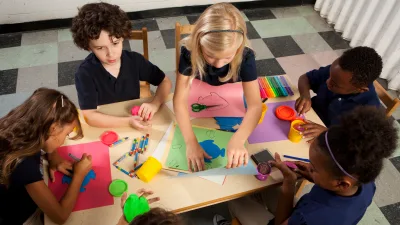

Painting a picture together, writing a short play or even remixing a favorite song do more than pass the time after school. The arts continue to play a critical role in their emotional and cognitive growth of school-age children. Creative activities help strengthen problem-solving skills, support emotional regulation and build confidence in self-expression as children get older. Whether you’re a caregiver, educator or afterschool provider, there are many simple, meaningful ways to bring more art into your school-age learning environment.
Here are a few ideas to get you started:
1) Create an Art-Friendly Environment
Make sure your space invites creativity. Stock up on a variety of age-appropriate art supplies – colored pencils, paint, glue and even some recycled materials can go a long way. Hang up student artwork or allow kids to personalize a creative corner. Music playlists, sketchbooks and materials for DIY projects can also spark artistic engagement for older children.
2) Focus on the Creative Process, Not Perfection
Children can sometimes become more self-conscious about their abilities. That’s why it’s important to emphasize process over product. Encourage open-ended projects with room for experimentation. Collage work, abstract painting and improvisational theater games are great options. Remind children there’s no “right” way to express themselves through art – every idea is worth exploring.
3) Use Art to Support Academic Learning
Art can reinforce other areas of learning in fun and memorable ways. Try having kids illustrate scenes from a book they’re reading, write song lyrics that explain a science concept or build DIY models of historical landmarks. These cross-curricular projects not only deepen understanding but help students engage with academic content in a way that feels relevant and exciting.
4) Make Space for Movement
Just like younger children, school-age children benefit from moving their bodies. Dance, theater warm-ups, or even choreographing short routines to popular music can help children de-stress, work together and express emotions. You don’t need to be a trained dancer – just press play and invite them to move however they feel.
5) Invite Student-Led Art Projects
Older children love having ownership of their ideas. Ask them what they’d like to make, perform or create – and support them in bringing it to life. Maybe they want to write a comic book, film a short movie or put on a talent show. Giving children voice and choice in their creative work fosters leadership and self-esteem and often leads to projects that surprise and inspire.
Art isn’t just for the early years. As children grow, creative expression becomes even more important, helping them navigate emotions, think critically and develop a strong sense of self. Whether through painting, dancing or making music, the arts can be a powerful tool for growth at every stage of learning.
Brought to you by Indiana Afterschool Network.