Literacy Matters:
How to Choose a Program that Builds Early Reading Skills
Choosing child care isn’t only about safety and schedules. It’s also about finding a place where your child can grow, connect and build strong learning skills. One of the most important skills young children develop is early literacy — the first steps toward reading.
From birth, children are learning language, sounds and understanding. These early skills help them become confident readers later on.
Research shows that children learn best in programs that support language and literacy every day. High-quality classrooms do this by:
- Creating language-rich spaces where children hear and use lots of words
- Building reading routines that make books part of daily life
- Offering play and exploration that spark curiosity and conversation
Here’s what to look for at different ages:
-
Infants
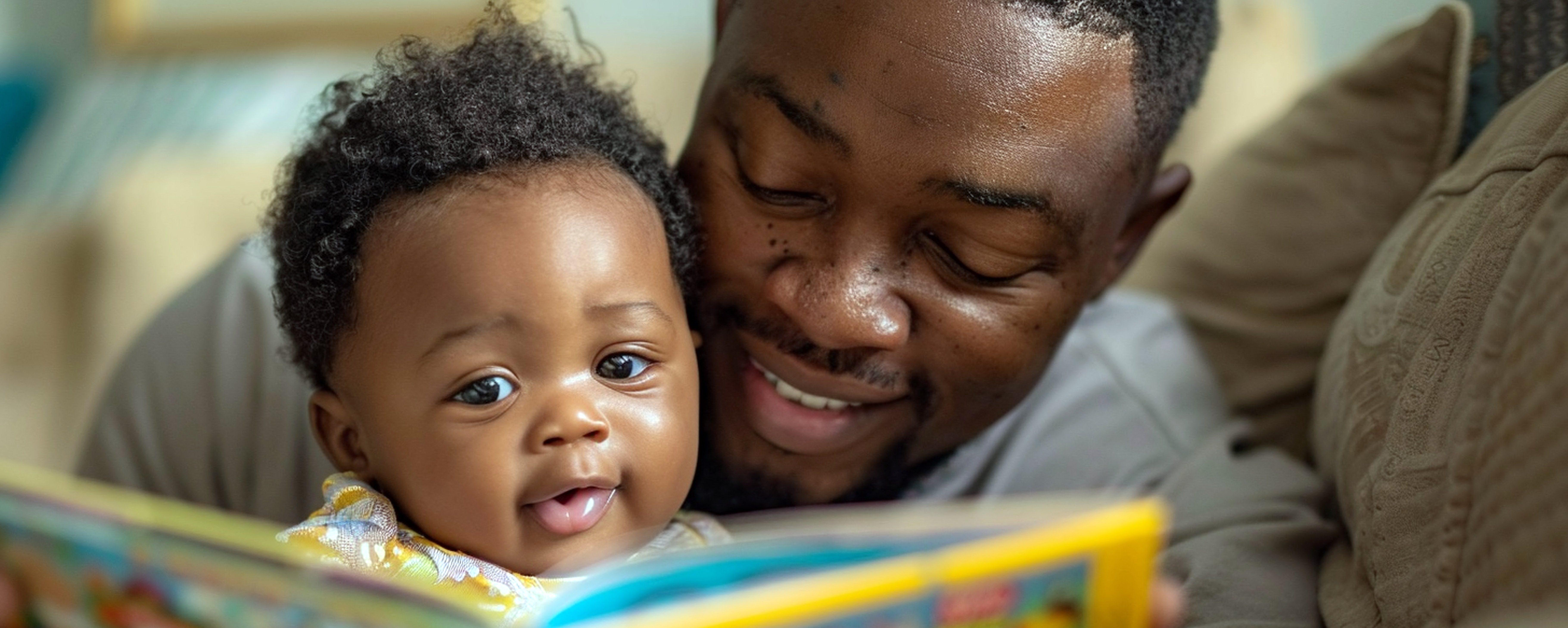
Babies are learning to listen, respond to voices, and notice the sounds of their home language. When teachers sing songs, read board books or talk through daily care, babies hear the rhythms and patterns of speech. These early interactions build the base for reading later on.Look for infant classrooms where:
Language-Rich Environments
- Teachers talk to babies often, using eye contact and warm voices
- Caregivers respond to coos, babbles and gestures
- Daily routines (like diaper changes) are described out loud
- Songs, rhymes and chants are part of the day
Reading Routines
- Teachers read with babies every day, pointing to and naming pictures
- Cloth and board books are easy for babies to reach and explore
- Books cover different topics and are rotated often
Play and Exploration
- Toys and materials are labeled with simple words and pictures
- Safe spaces allow tummy time and face-to-face play
- Sensory toys and fabric books are available
- Music and movement activities build listening and rhythm skills
-
Toddlers
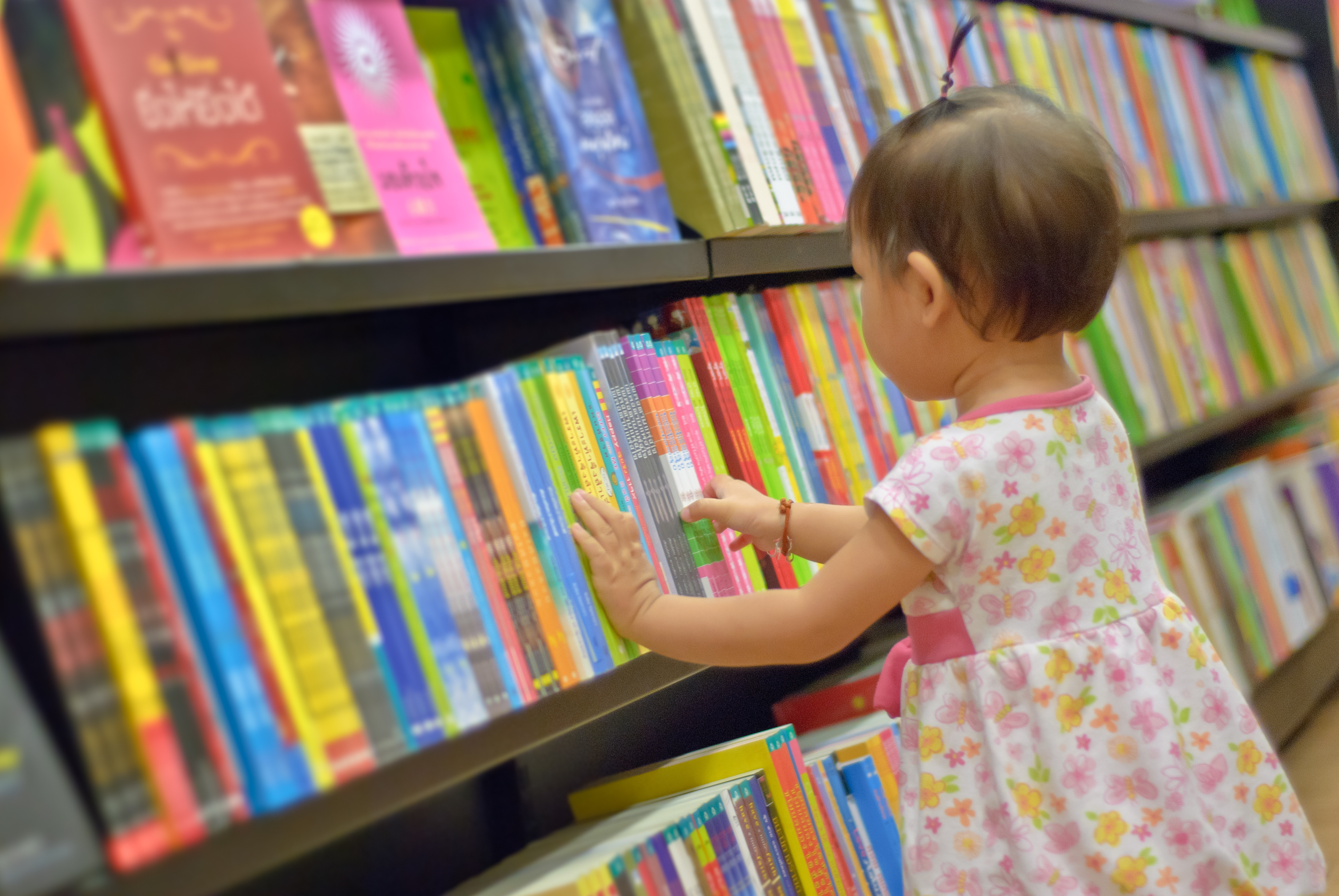
Toddlers are busy exploring language. Their vocabulary grows quickly as they start putting words together, asking questions and using language to make sense of the world. They may “read” to a stuffed animal, sing along to rhymes or point to pictures and name what they see. These playful moments are key to early literacy.
Look for toddler classrooms where:
Language-Rich Environments
- Teachers talk with toddlers throughout the day, using full sentences and new words
- Teachers ask open-ended questions like “What did you see outside?”
- Children are encouraged to use words, gestures or signs
- Songs, finger plays and rhymes are part of daily routines
Reading Routines
- Books are read daily in small groups or one-on-one
- Stories include repetition, rhymes and fun visuals
- Toddlers are invited to turn pages, point to pictures and join in
- Favorite books are read often to support learning
- A cozy book corner is always open for quiet time
Play and Exploration
- Materials are labeled with pictures and words
- Pretend play and storytelling are supported with puppets and props
- Music and movement are used to practice rhythm and rhyme
- Teachers model language during play (“You built a tall tower!”)
- Sensory play (sand, water, playdough) is used to build new vocabulary
-
Preschool & Pre-K
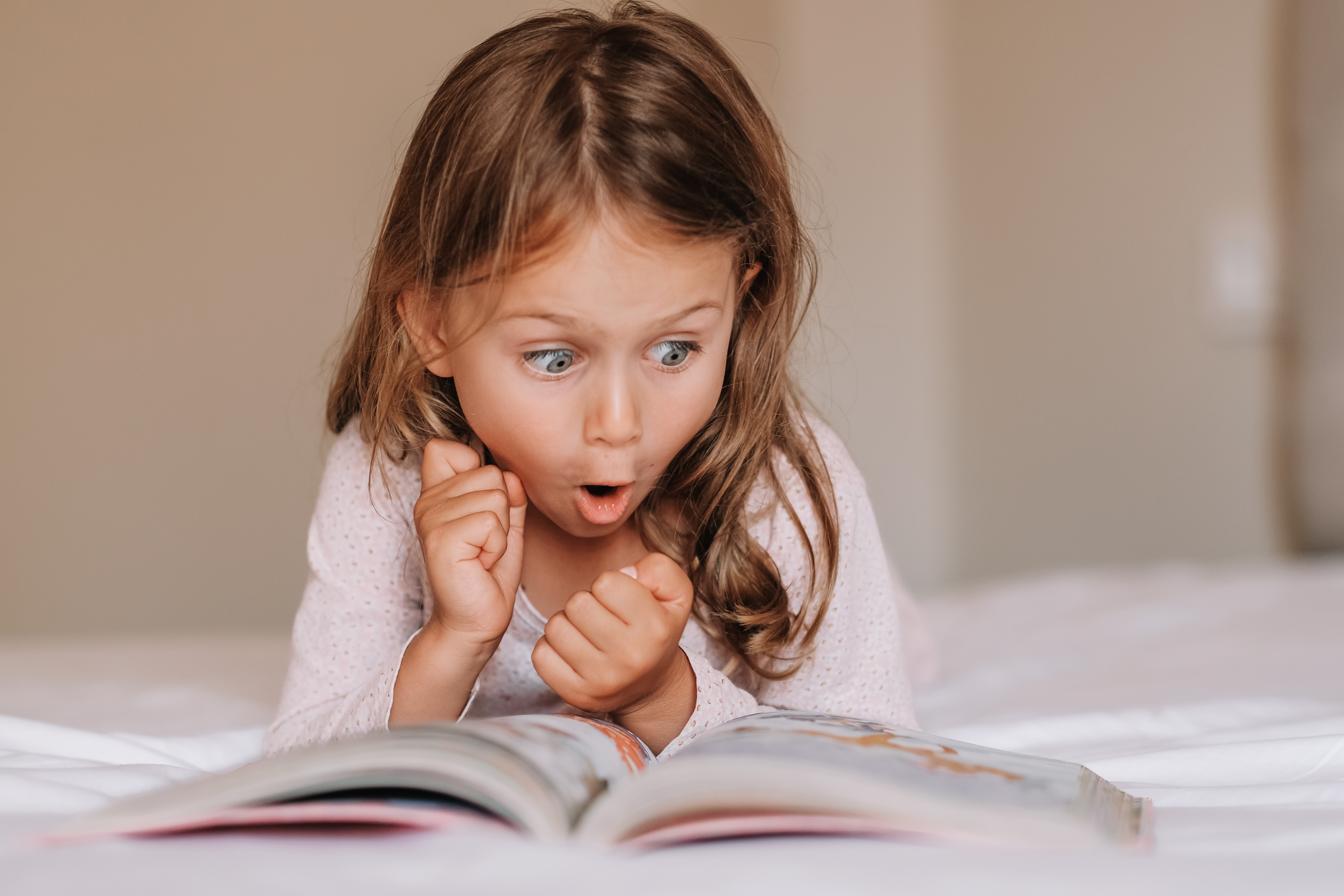
By ages 3–5, children are learning language faster than ever. Their vocabulary grows each day through conversations, books and play. They begin to understand how stories work — beginnings, middles, and ends — and enjoy retelling stories in their own words. They also notice rhymes, syllables and beginning sounds in words.
Many preschoolers start recognizing letters, especially from their own names, and begin connecting letters to sounds. Early writing also shows up in scribbles, drawings and letter-like shapes. Just as important, children practice listening, asking questions and expressing ideas — all key skills for reading.
Look for preschool and pre-k classrooms where:
Language-Rich Environments
- Teachers have meaningful conversations with children every day
- Peer-to-peer conversations are encouraged
- Children ask questions, share ideas and retell experiences
- New words are introduced through books, play and routines
- Teachers expand on children’s language with longer sentences
Reading Routines
- Shared reading happens daily in large and small groups
- Teachers introduce book basics (title, author, illustrator)
- Children predict, ask questions and retell stories
- A variety of fiction and nonfiction books are available at child level
- Cozy, inviting book areas are always open
Play and Exploration
- Dramatic play supports storytelling with rotating themes (grocery store, vet clinic, etc.)
- Props include printed items like menus, signs and name tags
- Teachers join in play to model language and spark ideas
- Art and writing are part of daily routines (drawing, painting, crafting)
- Classrooms have writing areas with paper and supplies
- Children describe their work and dictate stories to adults
- Music and movement build sound awareness with songs, chants and games
- Books are found in every play area (blocks, art, science, dramatic play)
Strong early literacy skills grow through rich experiences and caring relationships. When children are surrounded by language and supported by responsive teachers, they build the foundation for becoming lifelong readers.
By choosing an early learning program that values talk, books, play and connection, you are helping your child develop the skills needed for reading success.
Want to know if your child is building strong early literacy skills? Ask your child care provider how they support language and literacy every day and download our Milestones Matter guide to see what to expect at each age.
Every Page Counts. Every Moment Matters.
Help your child build a strong foundation for a lifetime of learning – starting with a story today.