Finding the Right Fit
What does a high-quality program for preschoolers look like?

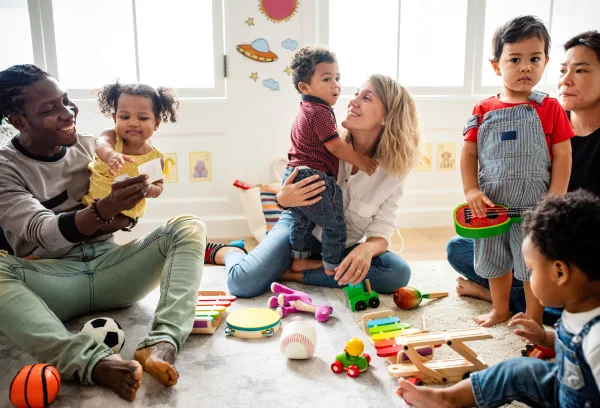
When children are in a high-quality program in their first five years, they are given a safe place to learn, explore their world and build relationships. Being in this type of environment, the foundation is set for them to be successful in school, work and life.

Quality preschool programs:
- Offer positive learning experiences and nurturing relationships with trusted adults who understand child development. Nurturing caregivers help children feel secure and important every day. When children feel safe and cared for, they grow in all areas of development.
- Provide daily opportunities for children to develop and learn through active, hands-on play and learning. As preschoolers play, experiment and interact with children and caring adults, learning happens. They develop skills that will help them think, question and explore the world.
Caregivers in high-quality programs build on what children already know and can do. They provide materials and experiences that are challenging, but that children can do with a little help. This is called developmentally appropriate practice (DAP). Developmentally appropriate practice means:
- Teaching based on each child’s age and stage of development
- Helping each child meet goals that are just right for that child
- Valuing and including each child’s family, language and culture
Finding the Right Fit
No two preschool programs look or feel exactly the same. But all high-quality programs have some things in common.
Here is what to look for in a quality preschool child care program:
- Healthy, safe and hygienic environment
- A well-maintained environment set up for children
- Staffed according to regulations with caregivers who are sensitive and responsive to children.
- Opportunities for active play, especially outdoors, as well as opportunities for quiet play and rest.
- Opportunities for developing motor, social, language and cognitive skills through play
- Positive interactions with adults
- Practices that support positive interaction amongst children
- Facilitation of emotional growth
- Participation of, support for and communication with parents
- Respect for diversity and difference, and inclusion of children with disabilities
- Ongoing, intentional and meaningful engagement with families.
- Caregivers prepare children and families for the transition to kindergarten.
Print & Take It With You
Finding the right program for your preschooler is a big decision. Keep this resource handy to make your visits easier and more confident.